

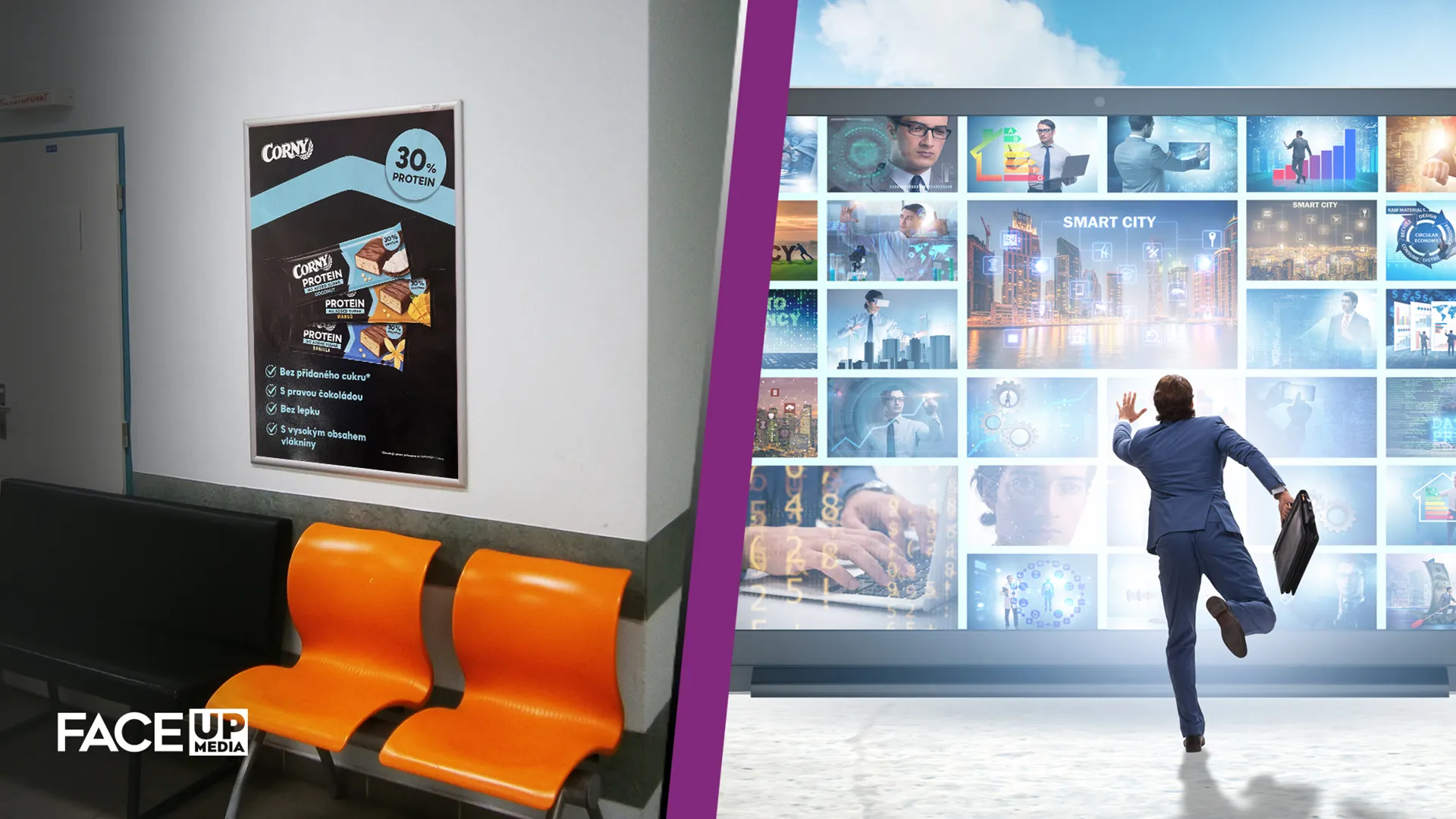
V marketingu dnes dominuje digitál. Sociální sítě, bannery, PPC – kam se podíváte, tam pixely. Jenže zatímco firmy sypou peníze do online prostoru, jeden “starý dobrý” formát se drží překvapivě silně – statické reklamní plochy.
Který typ reklamy tedy skutečně funguje? A kdy dává smysl investovat do fyzických reklamních ploch namísto digitálních kampaní? Pojďme se na to podívat bez přikrášlování a bez zbytečných marketingových frází.
Digitální reklama: rychlá, flexibilní, ale přetížená
Digitál má nesporné výhody:
- okamžité spuštění a průběžné úpravy kampaní,
- přesné cílení podle chování, zájmů a demografických údajů,
- měřitelnost v reálném čase,
- nízké vstupní náklady.
Zároveň je ale potřeba počítat i s jejími limy.
Digitální prostředí je dnes extrémně přehlcené. Uživatelé jsou denně bombardováni reklamními sděleními a automaticky je filtrují – vědomě i podvědomě. Bannery často končí v tzv. bannerové slepotě, sociální sítě omezují organický dosah a náklady na placené kampaně dlouhodobě rostou.
Digitální reklama funguje. Stále častěji ale platí, že bez pořádného rozpočtu a promyšlené strategie jste jen další neviditelný inzerent v přeplněném feedu.
Statické reklamy jsou možná méně “cool”, ale překvapivě účinné
Statické reklamní plochy v restauracích, fitness centrech, ordinacích nebo školách mají jednu podstatnou výhodu: nelze je vypnout, zavřít, přeskočit ani zablokovat.
A právě to v době digitální saturace získává na hodnotě.
Výhody statických ploch:
- garantovaný fyzický kontakt se sdělením,
- silný vizuální dopad zejména u větších formátů B1, A2, A3,
- stálá viditelnost na jednom místě,
- působení v prostředí, kde lidé skutečně tráví čas,
- dlouhodobé upevňování značky (brand awareness).
Offline prostředí nemá konkurenční hluk jako digitál. Reklamní sdělení stojí samostatně – bez scrollování, bez dalších 20 bannerů kolem a bez okamžitého odvádění pozornosti jiným obsahem.
Kdy digitální reklama vyhrává?
Digitální reklama dává největší smysl, když:
- potřebujete rychlé reakce (akce, slevy, krátkodobé kampaně),
- pracujete s velmi úzkým nebo specifickým cílením,
- začínáte od nuly a máte omezený rozpočet,
- testujete různé varianty sdělení (A/B testování),
- sbíráte konverze přímo na webu.
Online je prostě skvělý na výkonnostní marketing a okamžité měření výsledků.
Kdy statické plochy poráží digitál?
Statické reklamní plochy jsou vhodné zejména tehdy, když je cílem:
- silně vizuální ukotvení značky v paměti,
- viditelnost na konkrétních místech a konkrétních segmentech,
- oslovení publika v určité situaci (fitness, školy, restaurace…),
- dlouhodobé budování značky,,
- stabilní přítomnost bez soutěžení v digitálním šumu.
Typicky se jedná o:
- nové značky, které potřebují být viditelné i mimo online prostředí,
- kampaně zaměřené na lifestyle, zdraví, rodinu nebo volný čas,
- lokální služby a podniky (zdravotnictví, gastronomie, fitness),
- brandové kampaně s delší životností.
Nejlépe funguje kombinace obou přístupů
Úspěšné značky dnes většinou nestaví strategii na volbě „digitál versus offline“. Kombinují oba kanály a využívají jejich silné stránky.
- Statická reklama podporuje povědomí, důvěru a zapamatování značky.
- Digitální reklama pak sbírá konverze a dotahuje zákazníky “do akce”.
Statické reklamní plochy vloží značku do hlavy. Digitál pak připomene: klikni, navštiv a kup.
V prostředí přeplněném obrazovkami získává fyzická viditelnost nový význam. Statické plochy působí klidněji, stabilněji a pro část publika také důvěryhodněji než čistě digitální formáty.
Digitální reklama dnes není univerzálním řešením pro každou situaci. Statické reklamní plochy mají své pevné místo a při rozumné kombinaci s online kanály tvoří vyvážený a dlouhodobě funkční marketingový mix.
Pokud chcete oslovit lidi tam, kde se skutečně nacházejí, ve fitness centrech, školách, čekárnách u doktorů nebo restauracích, statické reklamní plochy zůstávají relevantní a efektivní volbou.