

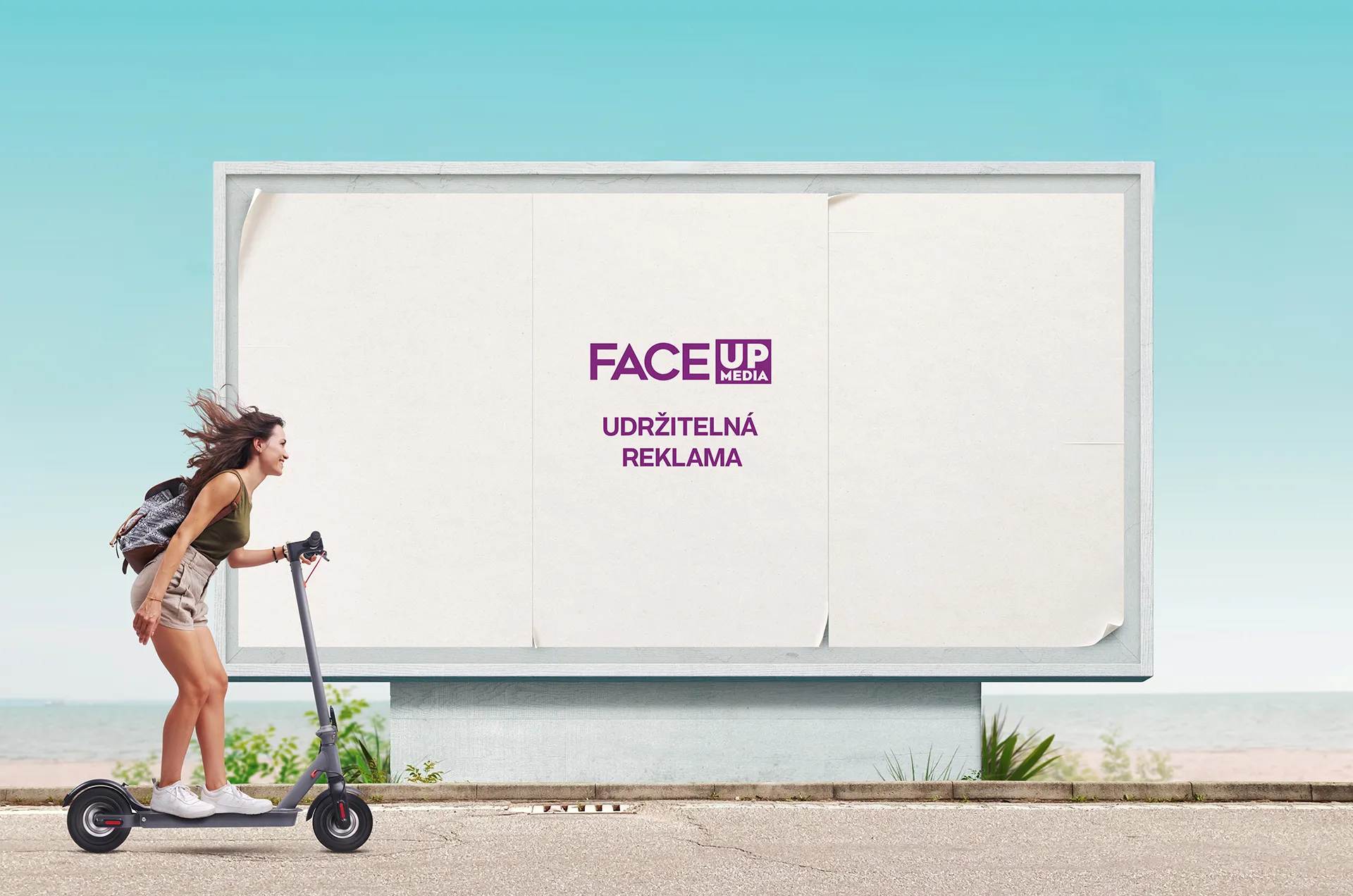
Udržitelnost statických reklamních ploch: Proč dávají smysl ekologicky i prakticky.
Udržitelnost se dnes řeší napříč celým marketingem. Firmy se stále častěji zajímají o to, jak jejich kampaně zatěžují životní prostředí, a hledají způsoby, jak být vidět i bez zbytečné ekologické zátěže. Vedle digitálních obrazovek, které vyžadují nepřetržitý provoz, energii a technickou infrastrukturu, mají statické reklamní plochy řadu praktických ekologických výhod.
Statické plochy nepřispívají ke světelnému smogu
Digitální panely, billboardy a LED obrazovky jsou trvale osvětlené a často dokonce výrazně více, než je nutné. Tím se podílejí na světelném znečištění, které může negativně ovlivňovat lidi, zvířata i okolní prostředí.
Statické plakáty naopak nesvítí vůbec.
Nezvyšují světelnou zátěž, neruší okolí a nepřispívají k energetické spotřebě. Právě jejich pasivní charakter je z ekologického hlediska významnou výhodou – žádná elektřina, žádné světlo, žádné nepřetržité svícení.
Papírové reklamní plochy mají jednoduchou a čistou recyklaci
Většina statických reklamních ploch je založena na papíru nebo papírových kompozitech. To s sebou přináší několik praktických benefitů:
- snadnou recyklaci v běžných systémech,
- nízkou energetickou náročnost při zpracování,
- minimální ekologickou zátěž po ukončení kampaně.
Digitální obrazovky jsou z materiálového hlediska výrazně složitější – obsahují elektronické komponenty, LED panely, kovové konstrukce, kabeláž i napájecí zdroje. Ve srovnání s tím je z tohoto pohledu statický plakát výrazně čistší médium.
Minimální provozní spotřeba energie
Statická plocha nevyžaduje:
- elektřinu,
- napájecí zdroje,
- chlazení elektroniky.
Jejich provozní energetická stopa je tedy výrazně nižší než u digitálních řešení, která fungují nepřetržitě a vyžadují pravidelný servis.
Logistika s nízkými emisemi
Výměna statických plakátů probíhá fyzicky, ale obvykle v rámci předem stanovených tras a lokalit, tedy s minimální dopravní zátěží. Montáže se realizují po segmentech, což snižuje počet samostatných výjezdů.
V praxi se často využívají služební optimalizované trasy nebo městská hromadná doprava, čímž se omezuje zbytečná dopravní zátěž. Výsledkem je efektivnější logistika a nižší produkce emisí ve srovnání s náročnější technickou obsluhou digitálních ploch.
Delší životnost sdělení bez nadměrné zátěže
Digitální reklama často funguje v krátkých intervalech – jedno sdělení je na obrazovce viditelné jen několik sekund. Statická reklama je naopak běžně viditelná několik dní či týdnů, a to bez jakýchkoliv dodatečných energetických nároků na provoz.
Udržitelnost jako přirozený vedlejší efekt, ne marketingový trik
Statické plochy si nehrají na to, že by byly ekologické jen kvůli marketingu. Jejich udržitelnost vychází z jejich podstaty:
- žádná elektřina,
- žádné světlo,
- jednoduchý materiál,
- minimální údržba.
Nejde o technologii, která musí složitě vyvažovat svou provozní stopu. Jde o médium, které je dlouhodobě funkční právě díky své jednoduchosti.
Statická reklama má ekologický náskok
V době, kdy digitální svět dál roste a jeho energetické nároky se zvyšují, zůstávají statické reklamní plochy ekologickým řešením. Nepřispívají ke světelnému smogu, mají nízké provozní nároky, jsou snadno recyklovatelné a nevyžadují složitou infrastrukturu.
Pro značky, které chtějí být vidět a zároveň uvažují dlouhodobě a zodpovědně, představují statické plakáty nejlepší reklamní médium současnosti.